

Cutting-edge technology sometimes takes awhile to make its way into the niche areas of metal fabricating. But when it does, its impact is immediate, like anywhere else.
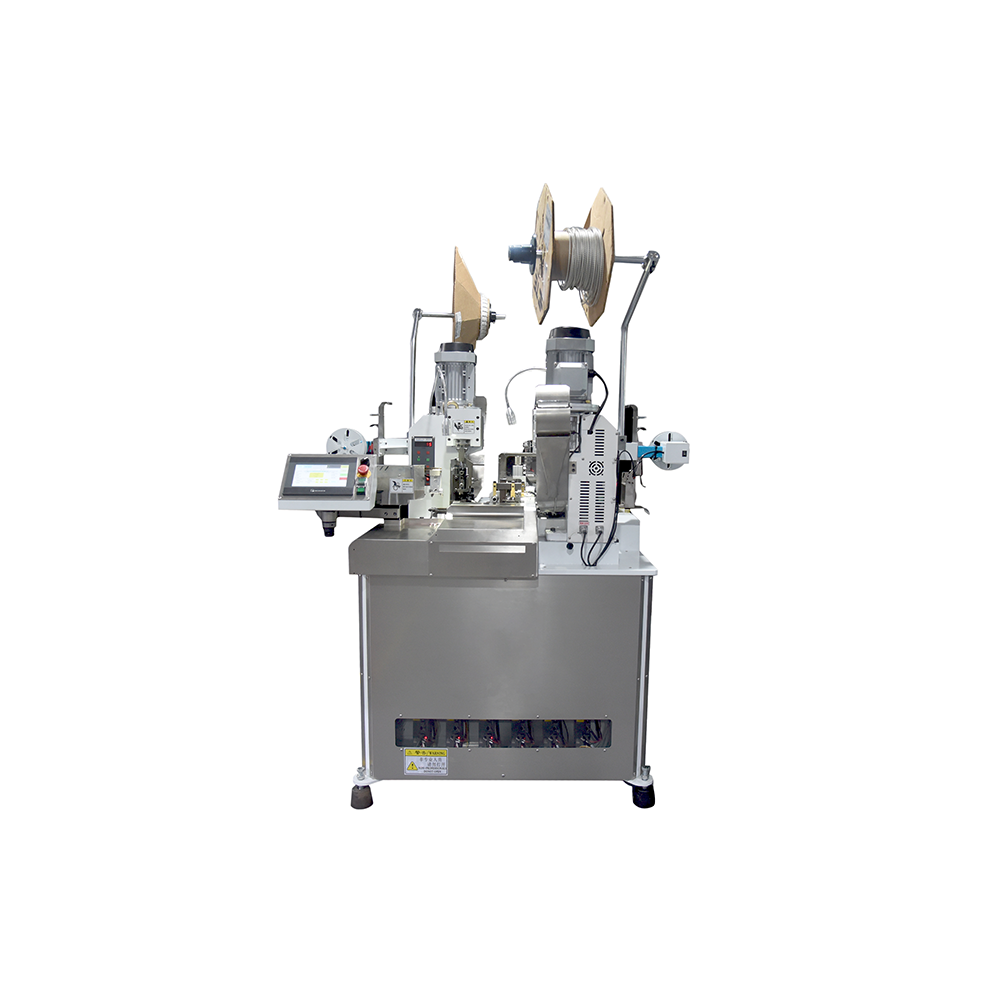
W-242 CNC automated plasma pipe cutter ,the new equipment made a real difference in productivity. The shop could place a 20-ft. stick of pipe on the machine; program consecutive cuts in a row; and then watch the machine do its work, moving from one cut to another in a matter of minutes . Operators no longer had to rely solely on band saws, hand-held torches, or track-style cutting devices that run along the pipe’s exterior.
While cutting had reached a new level of efficiency, postcutting activities still remained a challenge. The typical plasma cutting process left a lot of dross to clean up. For a shop that prides itself on the quality of weld prep that it offers its welders, that translated into a lot of grinding.
Just Add Water Mist
The CNC Cutting Machine Pipe came with a 90-amp plasma power source, which is akin to the boxes used with hand-held torches in shops across the U.S. It provided the necessary power to cut the 2- to 24-in.-OD pipe the equipment was designed to accommodate.
Now plasma cutting with water mist is not unusual. In fact, the idea of automated plasma cutting with the use of tap water to help generate a shielding gas has been around for three decades. It’s been pushed more aggressively in recent years as a means to cut nonferrous materials more quickly and cleanly with the WMS process.
Nitrogen is used as the primary gas (plasma gas), while the water is used as a secondary gas (shield gas). The water in the torch is divided into its principal components (hydrogen and oxygen) during the cutting process. The hydrogen generated creates a reduced atmosphere in the cutting zone, isolating it from contaminating elements and producing a clean, dross- and oxide-free surface. The main amount of the water used during the process (from 0.3 to 0.5 liters per minute) is converted to principal components, which do not require disposal.
The water helps to do a couple of other things as well. It helps to reduce the heat, when compared to traditional plasma cutting temperatures, which allows the metal to cool faster. The water also reduces the amount of fume and other emissions commonly connected with dry plasma cutting.